Buy baleares.info ?
We are moving the project
baleares.info .
Are you interested in purchasing the domain
baleares.info ?
domain@kv-gmbh.de · 0541-91531010
Buy baleares.info ?
Is the conversion factor correct?
Without knowing the specific conversion factor in question, it is difficult to determine if it is correct. To verify the accuracy of a conversion factor, one should compare it to reliable sources or use it in calculations to see if it produces accurate results. It is important to double-check conversion factors to ensure that they are accurate and appropriate for the specific units being converted. **
What is the conversion factor for lamps?
The conversion factor for lamps is typically measured in lumens per watt (lm/W). This factor represents the efficiency of a lamp in converting electrical power into visible light. A higher conversion factor indicates that the lamp is more efficient at producing light with less energy consumption. It is an important factor to consider when comparing different types of lamps for energy efficiency and brightness. **

Similar search terms for Conversion factor
Top-Angebote
Products related to Conversion factor:
-
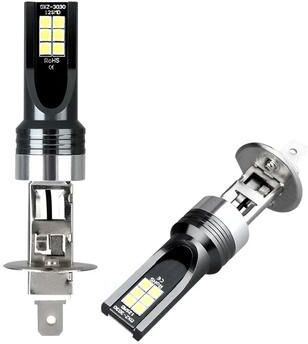
Multicon Wholesale Hub LED Headlight Bulbs White Conversion Kit LED Headlight Bulbs White Conversion KitSee the road with more confidence and a cleaner, brighter view at night. This 2piece H1 LED headlight bulbs kit is made for drivers who want a simple lighting upgrade without overcomplicating installation. With 14000LM LED headlights, 100W power,...44,97 $*Shipping: 0,00 $Secure redirect to the provider
-
Spot On Square Alto Conversion KitThe Alto Daybed Conversion is made from sustainably harvested solid birch, offering a stylish and durable solution that will extend the life of your Alto crib. Made to convert your Alto Crib into a daybed by easily removing one side and replacing it...250,00 $*Shipping: 0,00 $Secure redirect to the provider
-
Spot On Square Hiya Conversion KitThe Hiya Crib Conversion converts your Hiya Crib to a toddler daybed, extending the life of your crib as your child grows. Easily converts by removing one crib side panel and replacing with the conversion panel. Made with eco-friendly, green grade...255,00 $*Shipping: 0,00 $Secure redirect to the provider
-
Oeuf Rhea Toddler Bed Conversion KitThe Rhea conversion kit turns the Rhea crib into a day-bed style toddler bed. Moving into a toddler bed is a milestone for any child. The Rhea toddler bed is safe, cozy and easy to access, reinforcing your child's new-found independence.Smart...205,00 $*Shipping: 0,00 $Secure redirect to the provider


-
What is the conversion factor for gas consumption?
The conversion factor for gas consumption is typically expressed in terms of volume to energy content. For natural gas, the conversion factor is often given as 1,000 cubic feet of natural gas is equivalent to 1.037 million BTUs (British Thermal Units) or 1.037 therms. This conversion factor allows for the comparison of gas consumption across different units of measurement and helps in calculating energy usage and costs. **
-
What is the conversion factor between volts and amperes?
The conversion factor between volts and amperes is determined by Ohm's Law, which states that voltage (V) is equal to current (I) multiplied by resistance (R). Therefore, the conversion factor between volts and amperes depends on the resistance in the circuit. In a circuit with a resistance of 1 ohm, 1 volt is equivalent to 1 ampere. **
-
How to determine the conversion factor for the radiator's heating power?
To determine the conversion factor for a radiator's heating power, you can use the formula: 1 watt = 3.412 BTU/h (British Thermal Units per hour). This conversion factor allows you to convert the heating power of the radiator from watts to BTU/h or vice versa. By using this conversion factor, you can accurately compare the heating power of different radiators and choose the most suitable one for your needs. **
-
How is the conversion factor for a heating cost settlement determined?
The conversion factor for a heating cost settlement is typically determined based on the energy content of the fuel being used for heating. This factor is calculated by comparing the energy content of different fuels, such as natural gas, oil, or electricity, and converting their costs into a common unit of measurement, such as British Thermal Units (BTUs) or megajoules. The conversion factor allows for a fair comparison of heating costs across different fuel types, enabling accurate settlements for heating expenses. **


Is mass tourism a necessary economic factor or a destruction of culture and environment?
Mass tourism can be seen as a necessary economic factor as it brings in revenue and creates jobs in the tourism industry. However, it can also be destructive to culture and the environment if not managed properly. Overcrowding, pollution, and the commercialization of local traditions can lead to the degradation of cultural heritage and natural resources. Therefore, it is important to strike a balance between the economic benefits of mass tourism and the preservation of culture and the environment. **
Why has the production factor of nature largely been considered a free factor so far?
The production factor of nature has been largely considered a free factor because it has historically been abundant and seemingly limitless. Natural resources such as air, water, and sunlight were readily available without significant cost, leading to the perception that they could be used without concern for depletion or environmental impact. Additionally, the value of ecosystem services provided by nature, such as pollination and water purification, was often overlooked or undervalued in economic calculations, further contributing to the perception of nature as a free factor. However, as we now understand the finite nature of natural resources and the importance of preserving ecosystems, there is a growing recognition of the need to properly account for the value of nature in economic decision-making. **
Top-Angebote
Products related to Conversion factor:
-
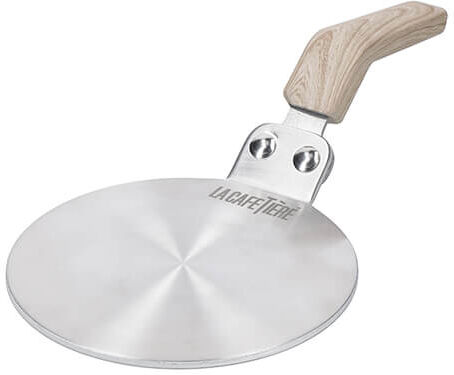
La Cafetiere Induction Conversion PlateThe La Cafetiere induction conversion plate is made from aluminium and stainless steel. The plate is used to enable non-induction cookware to be used efficiently on induction hobs. Suitable for use on all inductions hobs, the construction of the 3.4mm thick plate promotes even heat distribution and includes a heat resistant handle for easy handling. Perfect for use with whistling kettles and stove top espresso makers. Complete with a 12 month manufacturers guarantee. Size: 13cm dia.17,59 £*Shipping: 3,50 £Secure redirect to the provider
-
Oeuf Moss Conversion Kit - TomatoThe Oeuf Moss Conversion Kit is the perfect match to your childs newfound sense of independence. The low mattress position enables easy access and allows your child to climb in and out on their own.Features Side rails prevent night time falls;...305,00 $*Shipping: 0,00 $Secure redirect to the provider
-
Multicon Wholesale Hub LED Headlight Bulbs White Conversion Kit LED Headlight Bulbs White Conversion KitSee the road with more confidence and a cleaner, brighter view at night. This 2piece H1 LED headlight bulbs kit is made for drivers who want a simple lighting upgrade without overcomplicating installation. With 14000LM LED headlights, 100W power,...44,97 $*Shipping: 0,00 $Secure redirect to the provider
-
Spot On Square Alto Conversion KitThe Alto Daybed Conversion is made from sustainably harvested solid birch, offering a stylish and durable solution that will extend the life of your Alto crib. Made to convert your Alto Crib into a daybed by easily removing one side and replacing it...250,00 $*Shipping: 0,00 $Secure redirect to the provider
-
Is the conversion factor correct?
Without knowing the specific conversion factor in question, it is difficult to determine if it is correct. To verify the accuracy of a conversion factor, one should compare it to reliable sources or use it in calculations to see if it produces accurate results. It is important to double-check conversion factors to ensure that they are accurate and appropriate for the specific units being converted. **
-
What is the conversion factor for lamps?
The conversion factor for lamps is typically measured in lumens per watt (lm/W). This factor represents the efficiency of a lamp in converting electrical power into visible light. A higher conversion factor indicates that the lamp is more efficient at producing light with less energy consumption. It is an important factor to consider when comparing different types of lamps for energy efficiency and brightness. **
-
What is the conversion factor for gas consumption?
The conversion factor for gas consumption is typically expressed in terms of volume to energy content. For natural gas, the conversion factor is often given as 1,000 cubic feet of natural gas is equivalent to 1.037 million BTUs (British Thermal Units) or 1.037 therms. This conversion factor allows for the comparison of gas consumption across different units of measurement and helps in calculating energy usage and costs. **
-
What is the conversion factor between volts and amperes?
The conversion factor between volts and amperes is determined by Ohm's Law, which states that voltage (V) is equal to current (I) multiplied by resistance (R). Therefore, the conversion factor between volts and amperes depends on the resistance in the circuit. In a circuit with a resistance of 1 ohm, 1 volt is equivalent to 1 ampere. **
Similar search terms for Conversion factor
-
Spot On Square Hiya Conversion KitThe Hiya Crib Conversion converts your Hiya Crib to a toddler daybed, extending the life of your crib as your child grows. Easily converts by removing one crib side panel and replacing with the conversion panel. Made with eco-friendly, green grade...255,00 $*Shipping: 0,00 $Secure redirect to the provider
-
Oeuf Rhea Toddler Bed Conversion KitThe Rhea conversion kit turns the Rhea crib into a day-bed style toddler bed. Moving into a toddler bed is a milestone for any child. The Rhea toddler bed is safe, cozy and easy to access, reinforcing your child's new-found independence.Smart...205,00 $*Shipping: 0,00 $Secure redirect to the provider
-
Oeuf Sparrow Collection Conversion Kit - NaturalIf you already own the Oeuf Sparrow crib, the conversion kit is a great way to convert it into a stylish toddler bed. The toddler bed reinforces a childs sense of independence by allowing them to climb in and out on their own. The cozy size, low...275,00 $*Shipping: 0,00 $Secure redirect to the provider
-
How to determine the conversion factor for the radiator's heating power?
To determine the conversion factor for a radiator's heating power, you can use the formula: 1 watt = 3.412 BTU/h (British Thermal Units per hour). This conversion factor allows you to convert the heating power of the radiator from watts to BTU/h or vice versa. By using this conversion factor, you can accurately compare the heating power of different radiators and choose the most suitable one for your needs. **
-
How is the conversion factor for a heating cost settlement determined?
The conversion factor for a heating cost settlement is typically determined based on the energy content of the fuel being used for heating. This factor is calculated by comparing the energy content of different fuels, such as natural gas, oil, or electricity, and converting their costs into a common unit of measurement, such as British Thermal Units (BTUs) or megajoules. The conversion factor allows for a fair comparison of heating costs across different fuel types, enabling accurate settlements for heating expenses. **
-
Is mass tourism a necessary economic factor or a destruction of culture and environment?
Mass tourism can be seen as a necessary economic factor as it brings in revenue and creates jobs in the tourism industry. However, it can also be destructive to culture and the environment if not managed properly. Overcrowding, pollution, and the commercialization of local traditions can lead to the degradation of cultural heritage and natural resources. Therefore, it is important to strike a balance between the economic benefits of mass tourism and the preservation of culture and the environment. **
-
Why has the production factor of nature largely been considered a free factor so far?
The production factor of nature has been largely considered a free factor because it has historically been abundant and seemingly limitless. Natural resources such as air, water, and sunlight were readily available without significant cost, leading to the perception that they could be used without concern for depletion or environmental impact. Additionally, the value of ecosystem services provided by nature, such as pollination and water purification, was often overlooked or undervalued in economic calculations, further contributing to the perception of nature as a free factor. However, as we now understand the finite nature of natural resources and the importance of preserving ecosystems, there is a growing recognition of the need to properly account for the value of nature in economic decision-making. **
* All prices are inclusive of VAT and, if applicable, plus shipping costs. The offer information is based on the details provided by the respective shop and is updated through automated processes. Real-time updates do not occur, so deviations can occur in individual cases. ** Note: Parts of this content were created by AI.